

The moon is pulsating in my window, shaking loose the final and most stubborn remnants of my hesitation.
The message is just as important as the messenger
Two days ago, I attended my 16th workshop on “becoming.” The messenger this time: a whip-smart spirituality-meets-psychology bro riffing on the Love of the Universe. He called a brief-second intermission to croon, “Baby, will you please get me a cup of coffee?” to his off-camera wife. She makes him a new pot because the old one was cold. He is sorry (that’s not what he meant, the cold coffee was fine!) but so, so grateful.
Logic-me thinks it’s a ruse to get us to buy his $300 course. Logic-logic-me says, “Stop being an asshole, Cara.” But from somewhere within me, a ghost whispers.
“When was I last in love?”
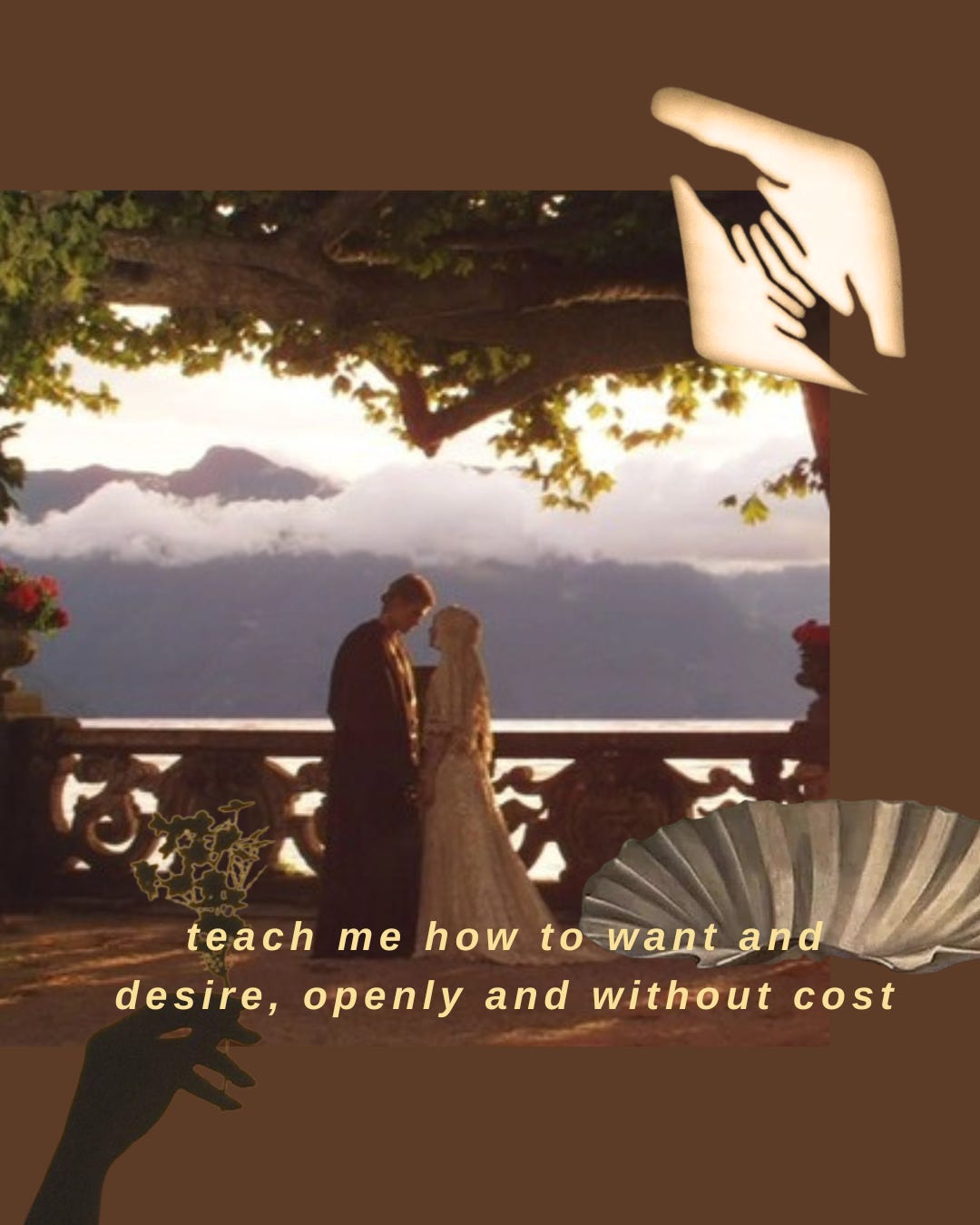
There is a cool breeze pouring through my windows, dampening the wisps rising from the sandalwood I’ve just lit. Do I need to move my desk, yet again, to renegotiate the qi flow in my room?
Regardless, the wind reminds me of the approaching wave. Following the January 1st new year, the current has finally untangled me from my uncertainty and fatigue. I am ascending into the sunlight and will be pulled into the trough, then the belly of the wave. “Thank god,” I say, with a little g, because big G doesn’t like how I only call on him in despair.
And yet: how long before I reach the peak and am brought down with the crest, crashing into the foam, then the depths once again?
“Keep going anyways.”
Not much has been inspiring me lately. I’m burnt out. I spent the entirety of 2025 hitting the “OPT OUT,” button on nearly every single relationship dynamic in my life. Stupid ancestral dances to gossip with people who would sell you out for your seat in first class. Family friends who bitch about the gifts you bring to Christmas dinner, but can’t bear to be alone. “Dutiful,” as a compliment.
No more obligations, no more obedience. All of this I cleared out for myself, by myself. Minus the help from Saturn, the Patriarch of Karma.
Of course, soon after (almost tauntingly and ironically), I was flooded with New Yorker articles on how most Americans are terrible, lonely people—too fragile, stringent, and self-consumed. Maybe that’s me—difficult, scared, and hateful.
I’ll give it a go anyways.
But I love my ghosts!
Now, I have become an empty, echoing house.
The windows are wiped clear, the furniture is gone, and my ghosts have nowhere to hide. They pry at the floorboards, dig their fingers into the windowsills, eyes sewn shut and moaning:
“You can’t do it. Who you are is the worst, the most selfish. A deserving prisoner.”
Matriarchal patterning taught me that denial is your weapon against your hatred. From my Marine father: pain is weakness leaving the body. Ignore your ghosts or exorcise them—that is the way of courage.
But I don’t want to hurt them. They are mine and me, and I want to scream with them until my throat is raw and our voices disintegrate into the folds of time and space.
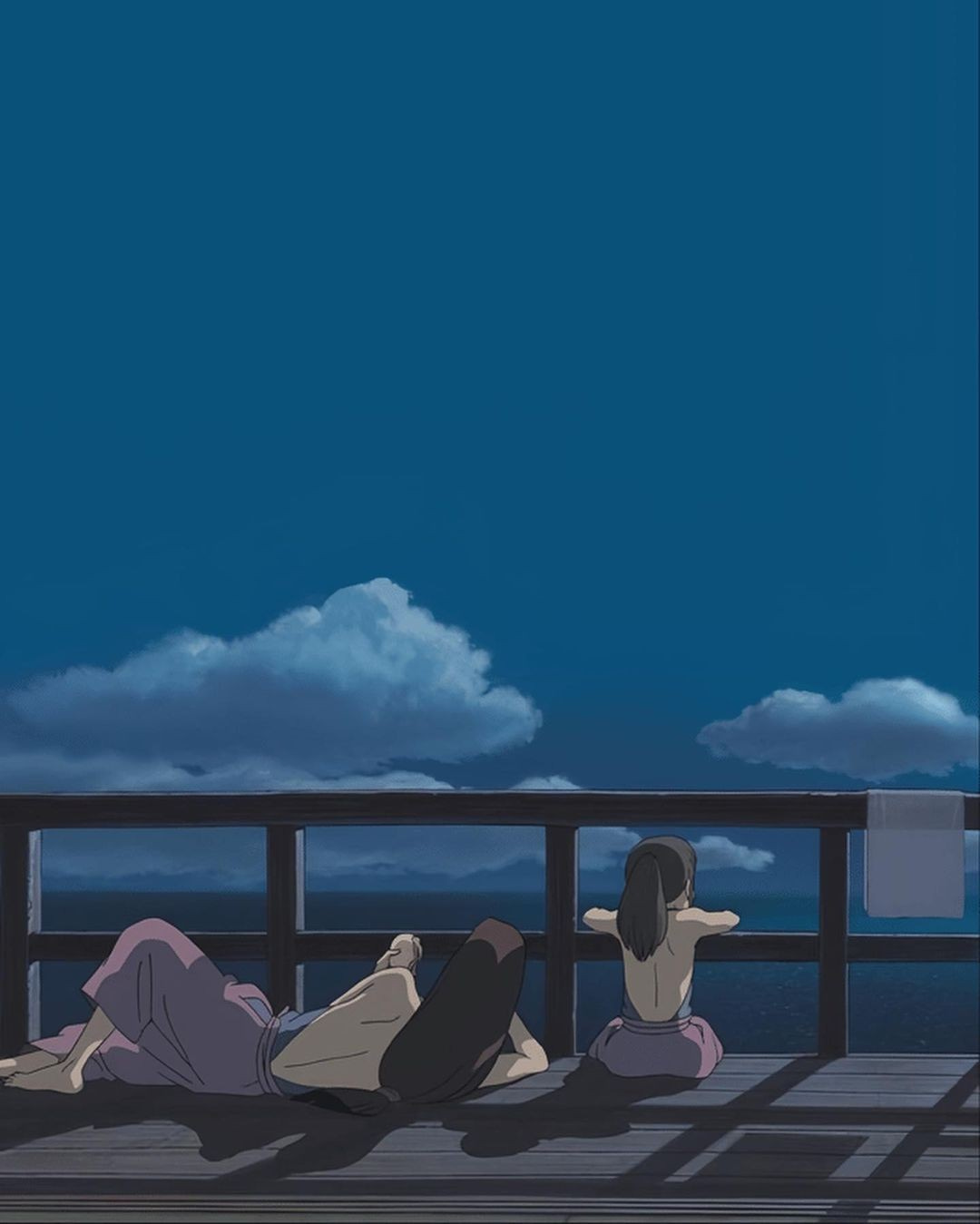
How to do things anyways
I admit that I am a textbook projectionist. I roll my eyes when people can’t commit because I, too, fear the unknown. I grow stony and silent when people seek the easy way because I have also evaded the work. I hate when people ask me what they should do because, for so long, I could not orient myself without first looking around the room.
And yet, here I am, and here I return anyways.
I have also never felt “freedom” as an inherent right, but rather as something to be bought with pain.
Some of my purchasing history: skipping swim practice and running to the Okinawan seawall to eat sweets with my first best friend. Nasty, multi-day comedowns from pills shaped like animals and hours buried in warehouses throbbing with bass. The times I snipped my tongue free and coated it in acidic honesty. All this freedom, only to wake up to the pain of, “What did I ruin this time? Do I have enough to pay this off?”
The pain doesn’t win every time, but more than once is enough. Clarissa Pinkola Estés calls these victories descansos, after the bouquets, candles, and gifts left where someone has died alongside the highway or roads.
Our own lives—as if they were country highways— are marked by these deaths. When they go unmarked and unconsecrated, they will rise as ravenous, bitter, despairing spirits. Your mindspace, your heartspace… that is what they feed upon. Everywhere I turn, there are pressures to starve these specters.
But how could I possibly starve, deny, silence my ghosts when they are also me?
How could my grace, my beauty, my genius trust me enough to flourish if they see that I cannot spare even a glance for my rage, despair, and pain?
How you treat anyone is how you treat everyone. Said someone somewhere, maybe it was Jesus.
Wouldn’t it be ironic if our ghosts have always drunk from the same well as our grace? What if the overlap and moments they touch are what make our lives worth their existence? (A nihilist somewhere: “Nothing is worth anything.” I refuse this. Lazy fucker, pull yourself together!)
It feels real and easy to hold this.
“But tell me,” I pray again and again to the gods and whoever will listen—mid-beer and making dinner, folding my son’s laundry, watching couples whisper between kisses at the wine bar while I sip alone.
“What is the destiny for these ghosts? Where do they need to be spent, deployed? Where will they find peace?”
Mountain mists and eyes of koa
The gods of Hawai‘i pointed me to a place: the former wetlands of the windward side beneath the Ko‘olau Range, an area continually restored by ancestral devotion and a refusal of outsider greed. They needed volunteers to tend to the land, so I decided (as my haunted-house self) to bring my son along while I tried being useful out of choice, rather than obligation.
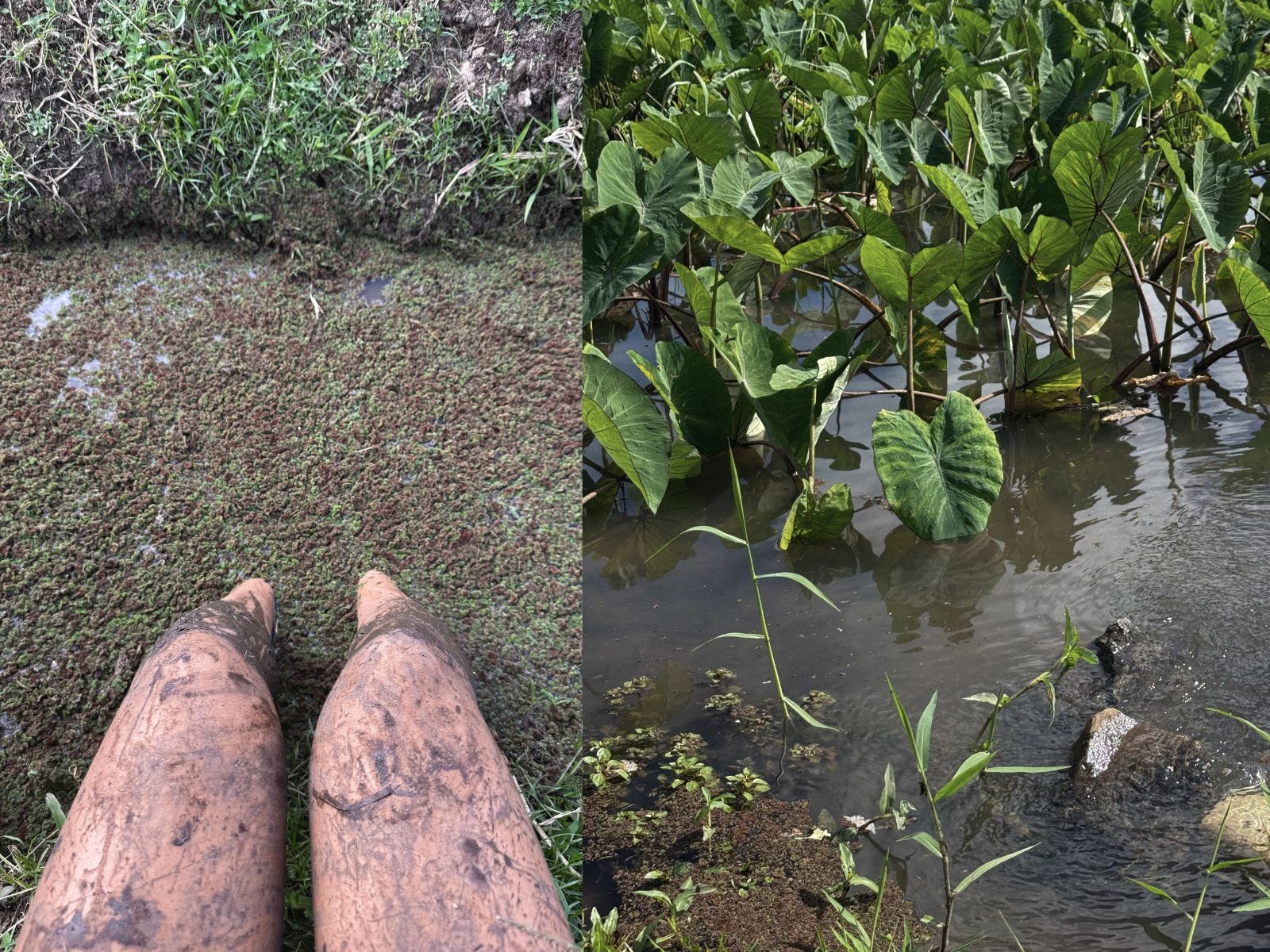
That Saturday morning was wet with island winter. We were assigned to weed a lo‘i (water garden) named momona, a word in 'Ōlelo Hawai‘i meaning fat, but as in plump with abundance.
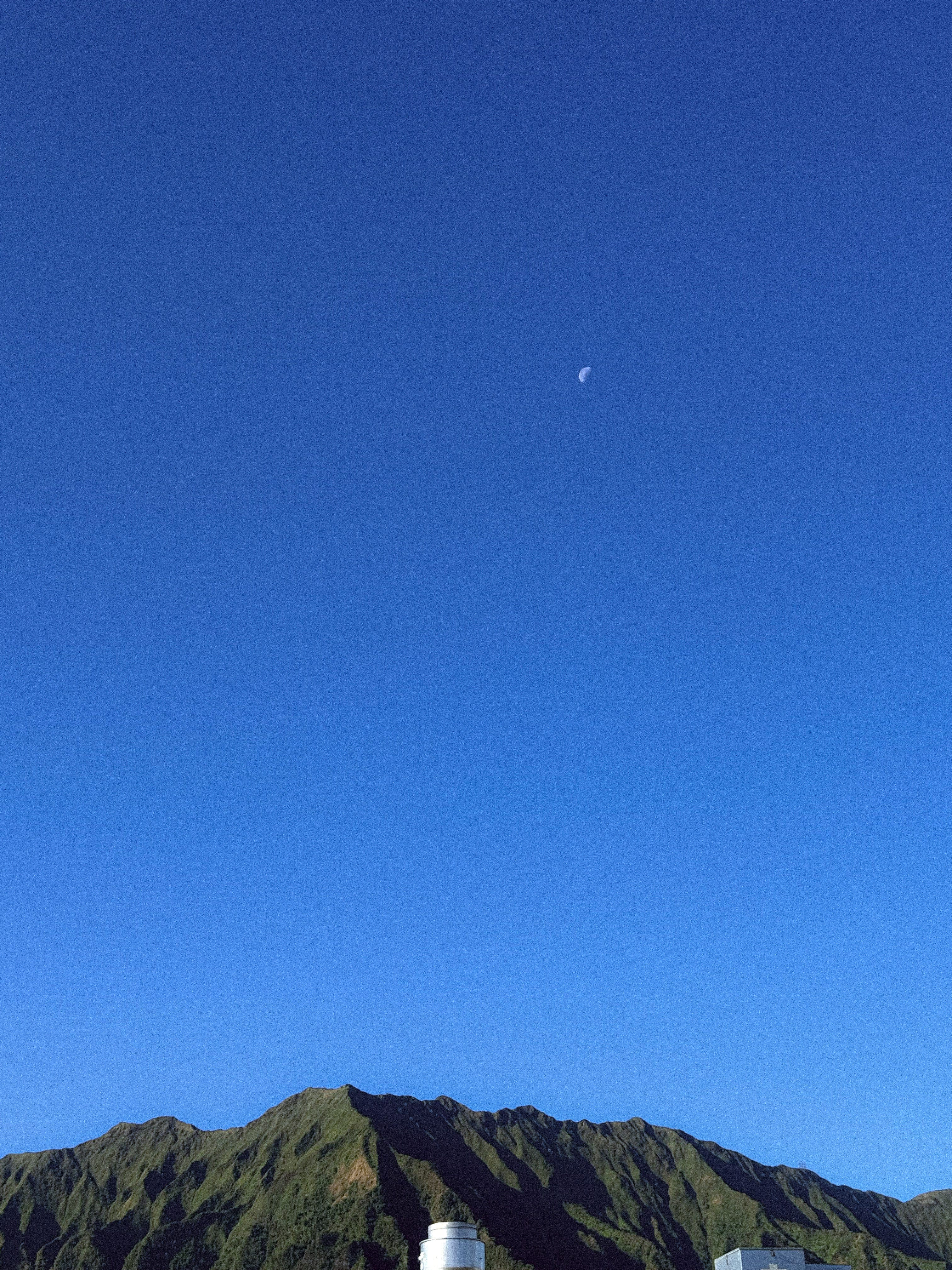
We plunged our feet into the cold Earth, and up rose the smell and spirits of crushed rock, long-dead plants, and animals awaiting their reincarnation. Across the fields and beyond the mangroves, the morning mists sat in the folds of the mountains. Seeing they were neither opaque to affirm their existence, nor dissipating in apology to the immovable rock, I felt my ghosts begin to still themselves.
I remembered the mists would inevitably dissolve under the rising sun, and the mountains would yet stand. So what was the goddamn point? How could they be so bold, only to be so futile? I wanted to cry, and the weeds spat mud across my face as I tore them from the ground.
A breeze, passing. The faintness of words hidden under a breath: “Close your eyes.”
The answer was this: the mists, ephemeral and fading, offering their drops to the rising sun, amplifying, refracting, and casting rainbows across the ridges. There was no cost and no prize for the mists, as they were born from the damp, deep, in-between of night and day. It was simply the way things were.
“Maybe,” I thought.
Opening my eyes, it occurred to me that rainbows are actually full circles.
I looked away from the mountains to find someone facing me: a man with dark eyebrows and lashes wreathing eyes the color of koa. I had spotted him earlier, as we trekked across the fields to the lo‘i, but thought myself transparent and let myself forget. But here he remained, refusing to turn his gaze. I was in his path on purpose.
Flecks of California grass and morning moisture drifted between us like a veil. I felt dangerous and furtive, so I let it rest, but I couldn’t help glancing, pretending to look beyond him to see if he was still near. Each time I opened my mouth, he would lift his head, raising his chest and body towards me, then averting his eyes back to the earth. It enthralled me, but I worried it was all too fragile, and if I moved any closer, I could shatter everything.
And yet, I was covered in mud. He couldn’t have seen me unless he sought me.
When our work was finished, we approached the ‘auwai to rinse off the mud. My son and I sat down, and I ran my fingers through the green carpets that sat on the water.
“I wonder what these are,” I said aloud.
“They’re azolla. A type of water fern.”
His voice was deeper, closer. There he was, with his eyes of koa, shining all over me like someone trying to read in the dark. And there I was, cold mountain water spiraling around and between my legs. I finally thought of something to say, but when I parted my lips to speak, he disappeared down the stream, only to stand within aura’s reach while we all waited in line for kalua pork, poi, and papaya.
I never saw him again, nor will I, especially because I am girlish enough to wish for it. Not for him specifically, but for the surge, the heat, and the vibrance that comes when I am my own Sun, driving the orbits of my life.
I have always wanted to be the Sun, gathering offerings from clouds. But in many ways, I am the Moon, glowing and yanking the tides into mountains, only to retreat and leave darkness in the night sky. Eventually, I rise again, but nothing is as I left it.
And yet, I do it all. I wish and I pray. I grasp and I want. I plead the world for answers, and then I say, “Fuck it all,” and follow my own oracle into the murky unknown. I lay descansos along the highway, then back onto the road I go.
Whatever it is, I do it anyways.
Do we exist because others see us? Or do we exist once we see ourselves? Can either be true without the other?

hi hi, hello.
loloto is a studio / space for deepening your taste and exploring ideas that make our lives acts of creation, instead of states of reactivity.
if you’re curious about what that means, subscribe to get articles like this to your inbox. :)